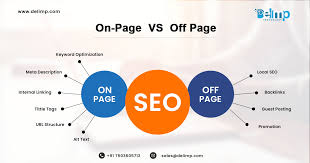

On-Page SEO vs Off-Page SEO: 7 Key Differences You Must Know
1. High-Quality Content
Content is the backbone of. Informative, original, and well-structured content improves user engagement and helps search engines evaluate relevance. Using related terms and variations avoids keyword stuffing.
2. Title Tags and Meta Descriptions
Optimized title tags and meta descriptions guide search engines and encourage users to click on your website in search results.
3. URL Structure
URLs are short, descriptive, and easy to read. This enhances both user experience and search engine indexing.
4. Internal Linking
Linking related pages within your website helps visitors navigate efficiently and distributes page authority effectively.
5. Image Optimization and Page Speed
Using alt text, compressed images, and fast-loading pages improves accessibility and overall site performance.
Key Elements of Off-Page SEO
1. Backlink Building
Backlinks from authoritative and relevant websites act as endorsements. High-quality backlinks have a strong influence on search engine rankings.
2. Social Media Engagement
Sharing content on social platforms increases visibility and drives referral traffic, indirectly supporting SEO performance.
3. Brand Mentions
Mentions of your brand on other websites, even without direct links, help build online reputation and authority.
4. Guest Posting
Publishing content on external websites allows you to reach a wider audience and earn valuable backlinks.
5. Online Reviews
Positive reviews improve credibility, user trust, and can indirectly affect rankings.
| Factor | On-Page SEO | Off-Page SEO |
|---|---|---|
| Control | Fully controlled by website owner | Partially controlled |
| Focus | Content, structure, and user experience | Authority, reputation, and trust |
| Location | Within the website | Outside the website |
| Examples | Keywords, meta tags, internal links | Backlinks, brand mentions, social signals |
Both strategies are equally important and complement each other.
Why Both Are Important
Which Strategy Should You Start With?
Once the website is well-structured, efforts like backlink building and social engagement become more effective.
Best Practices for Long-Term SEO Success
- Produce high-quality, user-focused content regularly
- Build backlinks from authoritative websites
- Share content across social media platforms
https://moz.com/beginners-guide-to-seo
https://primedigtalsolution.com/wp-admin/post.php?post=649&actio